



 Popular Categories
Strategies for Effective Police-Community Relations
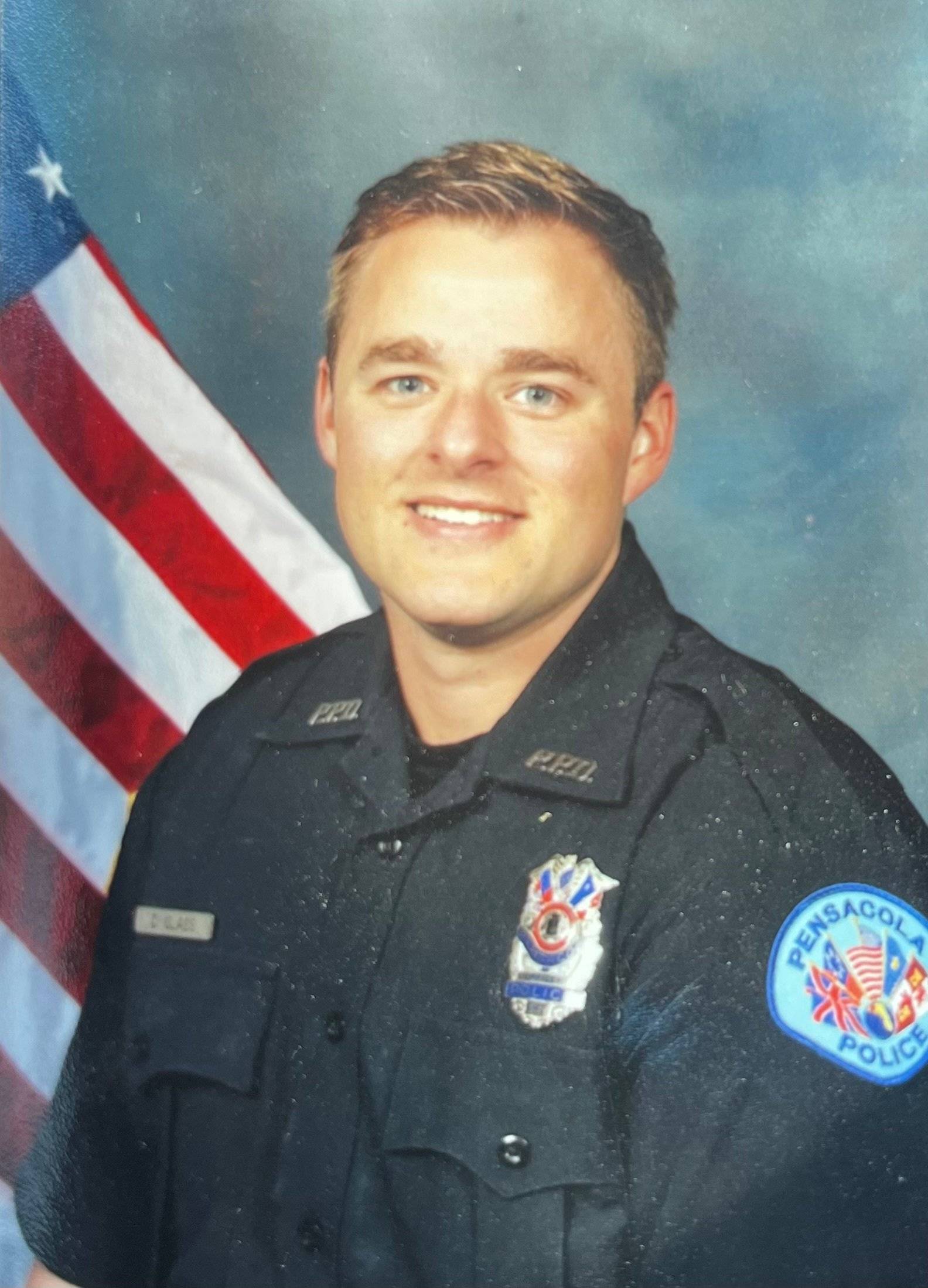
Every call for service, every neighborhood patrol, and every conversation, there is an opportunity to make a big impact on public trust. When communities trust their officers, and officers trust their communities, public safety improves.
So, why is community policing important? Because it’s personal. It’s about officers being seen as more than a badge. That’s where programs like the National Initiative for Building Community Trust and Justice and National Night Out come in. They’re all focused on engaging communities to help repair strained relationships and build stronger connections, especially with historically underserved communities.
At the heart of this approach is community-oriented policing: getting out of the car, talking to residents, attending events, and making your presence felt in a good way. Although there are proactive patrol measures, most of law enforcement is reactive. Responding to a call for service, whether in progress or over with. Community policing is not about saturated patrol techniques; it’s about establishing a community that is not afraid to share information to help keep it safer.
Enhancing Public Safety Through Trust
Think about it, do you work where you live? For most, the answer is no. You work in a nearby city/town, but you reside elsewhere. The calls for service you respond to, that is where those people live. Consider this when responding to calls, especially ones about violence and involving juveniles. For the post part, they all know the “who” and the “why” behind what happened but because of the stigma of talking with cops, they won’t be the snitch. However, often, when given a means to communicate not so publicly, they will tell you everything you want to know. Why? Because at the end of the day, that person providing information will remain in that scenario. They do not get to go home to the neighboring town. This is their home. So, when word gets out that they talk to the cops, or they have cameras, they must fear retaliation and harassment.
This is why community policing is important. Families, neighbors, and teachers all spend more time with these community members than officers do, yet the maturity level of young people will keep them from interacting positively with law enforcement. However, when communities can turn to their local officer and rely on them to help, not judge, not belittle, but support and help, then they feel safer when they know their officers are invested. When residents see you as someone who’s there to protect them, not just enforce laws, they’re more likely to report suspicious activity, share valuable intel, and help prevent crime before it starts and solve crimes quickly after.
How do police help the community? By being proactive instead of reactive. When officers work side-by-side with community members to tackle problems, crime goes down and public confidence goes up. These problems can be as small as the kids having nothing to do so they turn to illegal things to pass the time, to bigger initiatives around guns or drugs.
Youth programs are especially powerful. Whether it’s mentoring teens or showing up for school events, these interactions create lasting impressions. Some kids may come from broken homes without a positive role model; others may come from a home where kids are raising kids so there is no structure or direction. They yearn for support, for compassion, for a safe place. When officers, such as their School Resource Officer, and the community can provide those with these avenues, their decision making will improve, grades improve, and it is one step closer to breaking cycles of poverty, of arrests, of narcotic dependency, and of gang affiliation.
Understanding Culture = Better Communication
Today’s communities are diverse and understanding the people you serve makes all the difference. Cultural competency training helps officers avoid misunderstandings, de-escalate situations calmly, and communicate with respect. In some cultures, it is offensive to speak to the women of the house. In other cultures, it is offensive to enter dwellings with your shoes on. Understanding who you are serving and starting interactions from a point of respect will set you up for a successful encounter verses hostility and aggression.
So, what is the foundation of community policing? It’s empathy. It’s knowing that not everyone experiences law enforcement the same way and being willing to adapt how you approach different people and situations. When officers take time to learn about the cultural backgrounds, communication styles, and historical perspectives of the communities they serve, they’re better equipped to handle complex interactions with clarity and care.
A Smarter, More Proactive Approach to Crime
Community policing strategies are rooted in prevention, not just response. Rather than waiting for a call to come in, proactive policing means identifying potential problems early and working with the community to fix them before they escalate. Many people will recall campaigns to remind residents to remove valuables and firearms from vehicles and lock their doors. Or the “see something, say something” initiative. These are all tactics to help place some responsibility back on the community to help law enforcement help them. Let’s be real, some agencies have one officer working a shift to cover an entire community, others may have 3-4 and larger places may have 10-15 officers. You will never be able to be everywhere at once, which is why it is important that the community can have those additional eyes and ears and feel comfortable doing so.
Whether it’s improving lighting in crime-prone areas, getting rid of the local drug house, organizing neighborhood watches, or addressing repeated nuisance calls, it’s about solving problems at the source and eliminating issues before they become problems.
There are four major approaches to this kind of policing:
- Place-based: Targeting high-crime areas (hot spots)
- Problem-solving: Tackling reoccurring issues at the root
- Person-focused: Engaging individuals who are at high risk or at risk
- Community-based: Working closely with residents, churches and local organizations on long-term strategies
When this kind of collaboration happens, it paves a path for communities to empower themselves, increase their quality of life and improve their outlook on law enforcement.
Engaging with the Next Generation
If you want to build lasting trust, start young. Kids are watching. Programs like Read with a Cop or Youth Police Advisory Councils may seem small on the surface, but they have big impact. Reading a book, handing out snacks, or showing up at a youth event builds positive associations with law enforcement early on. Remember, some kids will never have anyone show up to parent-teacher conferences, or their sporting game, or whatever the event may be. Young people do not know how to regulate emotions and trauma as well as adults, so they can become angry and lash out. Often this can lead to involvement with law enforcement and thus create a cycle where officers show up, but not to support them at an event, but instead to investigate allegations against them.
These experiences shape how young people view public safety and whether they grow up seeing officers as allies or adversaries. Youth engagement isn't just outreach, it’s crime prevention. Also understand that youth with their friends may not be the same as when alone. Often you must show out around your friends to appear tough or cool, but those kids may not have a choice. When alone, they may be super respectful, polite and a great kid. Don’t pass judgement on them and cast them aside, keep working on building positive relationships that allow them to trust you. Some individuals may even be inspired to follow your path, including officers from diverse backgrounds who bring unique strengths that contribute to safer, more inclusive communities.
Creating Transparency and Accountability
One of the most common concerns from the public today is transparency from law enforcement. In a world of constant and instant access, people demand that post incident too. This may not be achievable for many reasons, but communication is key. Many Americans feel there’s a lack of clarity around law enforcement policies and practices. With conspiracy theories about anything and everything, the quickness of becoming “viral” on social media, and the ability to spread misinformation without ramification, it is easy to see why people get frustrated post critical incident.
This is where community policing truly proves its value. When law enforcement agencies are transparent—by sharing their policies, releasing use-of-force data, and engaging in open, honest dialogue—it demonstrates a genuine commitment to accountability. From their training at the police academy, officers are taught to lead by example and serve as community leaders. Providing accurate information quickly, keeping key community stakeholders informed, and working collaboratively helps prevent unrest. After all, the community wants peace just as much as the officers do. Cooperation is far more effective than confrontation.
Other programs like the Community Policing Innovations Initiative are helping departments nationwide reimagine public safety from reducing use of force incidents to involving citizens. On public advisory committees or use of force review panels.
Supporting Officer Well-Being
It’s easy to focus on how trust benefits the community, but it supports officers, too.
When you’re backed by your community, it makes a difference. It’s easier to do the job when you know people see and support you. That sense of purpose can reduce burnout, lower stress, and help you stay emotionally grounded through tough calls.
When officers feel respected, valued, and appreciated, their mental health improves and so does their work.
Working Together for Smarter Solutions
The most powerful form of policing happens with the community, not to it. Relationship-based policing shifts the focus from control to collaboration working with people, not around them.
Programs like ARRIVE Together in New Jersey show what this can look like in action. Officers team up with mental health professionals to respond to crises in a safer, more effective way. It’s not about doing less, it’s about doing it differently, and better. Finally, society is realizing that maybe, just maybe, every problem they have is not a police problem. The cop does not need to respond to tell your 4-year-old to eat their veggies. The cop does not need to respond to help someone through a mental heath crisis, a mental health professional should. The cop does not need to respond to your fight with your neighbor because they cut a small part of your grass, that is not their job description. Allowing the community to regain ownership over their actions and inactions with their friends and family is key to the next generation of law enforcement.
This shift requires more than just intention; it takes training, planning, and commitment. But when it works, the results speak for themselves.
Why Community Policing Is Important and What It Means for You
So, why is community policing important? Because it makes your job safer, more effective, and more meaningful. It leads to lower crime, better outcomes, and stronger relationships that can weather difficult moments.
At Galls, we’re proud to support officers like you who show up every day ready to serve—with integrity, dedication, and professionalism. From police and law enforcement gear that supports long shifts to tools that help you stay prepared in any situation.
Professional Uniform Apparel
Why: A clean, professional uniform helps establish trust and authority while maintaining a community-friendly appearance.
- Comfortable Polo Shirts like the Galls Pro Men's Short Sleeve G-Tac Polo or the 5.11 Tactical Men's Snag-Free Performance Short Sleeve Polo

- Class B Uniform Shirts like the 5.11 Tactical Women's Stryke PDU Twill Class B Short Sleeve Shirt or the 5.11 Tactical Men's Short Sleeve Class B Stryke PDU Shirt
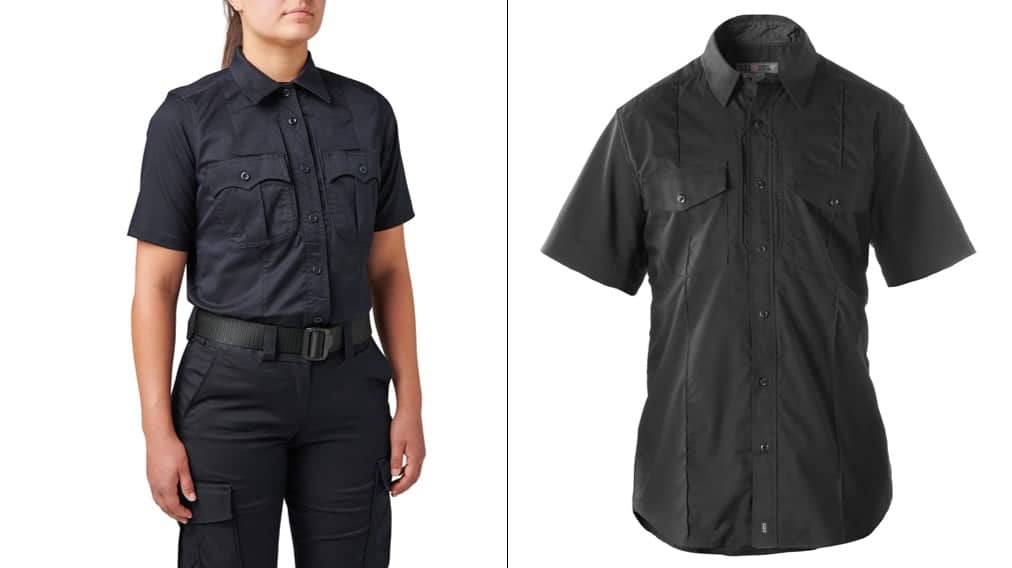
- Class B Tactical Pants like the Flying Cross Women's Prime Flex V-Pocket Class B Pants or the Galls Pro Men's G-Tac Tactical Pants

Footwear for Long Shifts
Why: Officers engaging in foot patrols or attending community events need footwear that supports long hours on varied terrain.
- Comfort-Engineered Duty Boots like the First Tactical Men's Aero-Tac 8" Side-Zip Boots or the Galls Men's 8" High Gloss Side-Zip Boots

Outerwear for Colder Shifts
Why: Stylish, approachable jackets and outerwear help maintain professionalism without looking overly militarized.
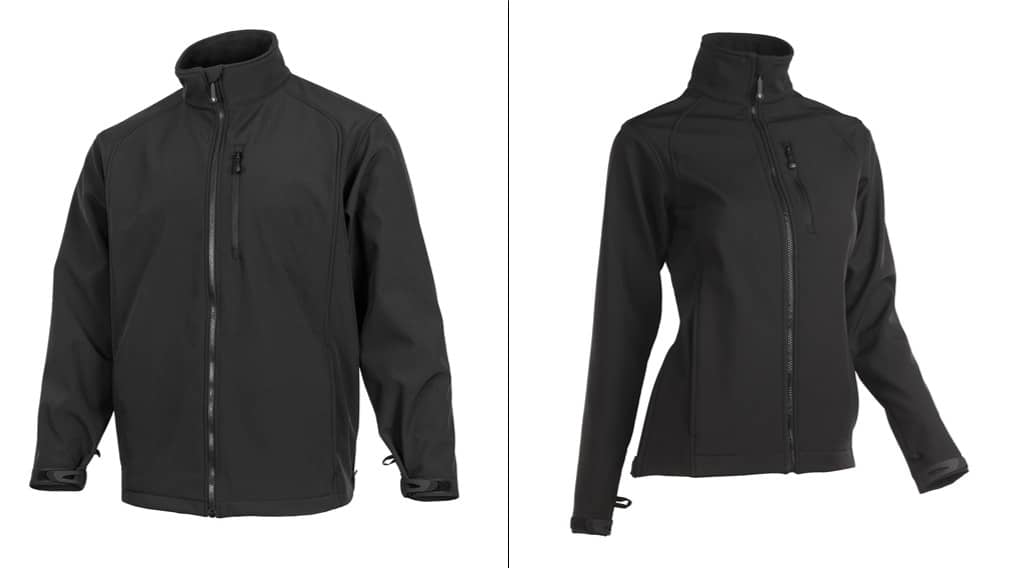
- Galls carries a wide selection of duty jackets, tactical coats, rainwear, fleece layers, ANSI-compliant outerwear, and softshell jackets like the Galls Men’s Softshell Jacket or the Galls Women’s Softshell Jacket
Concealed Carry Gear
Why: Officers participating in off-duty community events or plainclothes assignments still need reliable CCW solutions.
- Concealed Carry Holsters like the BLACKHAWK! Carbon Fiber CQC Holster with SERPA Technology or the Condor Universal Shoulder Holster

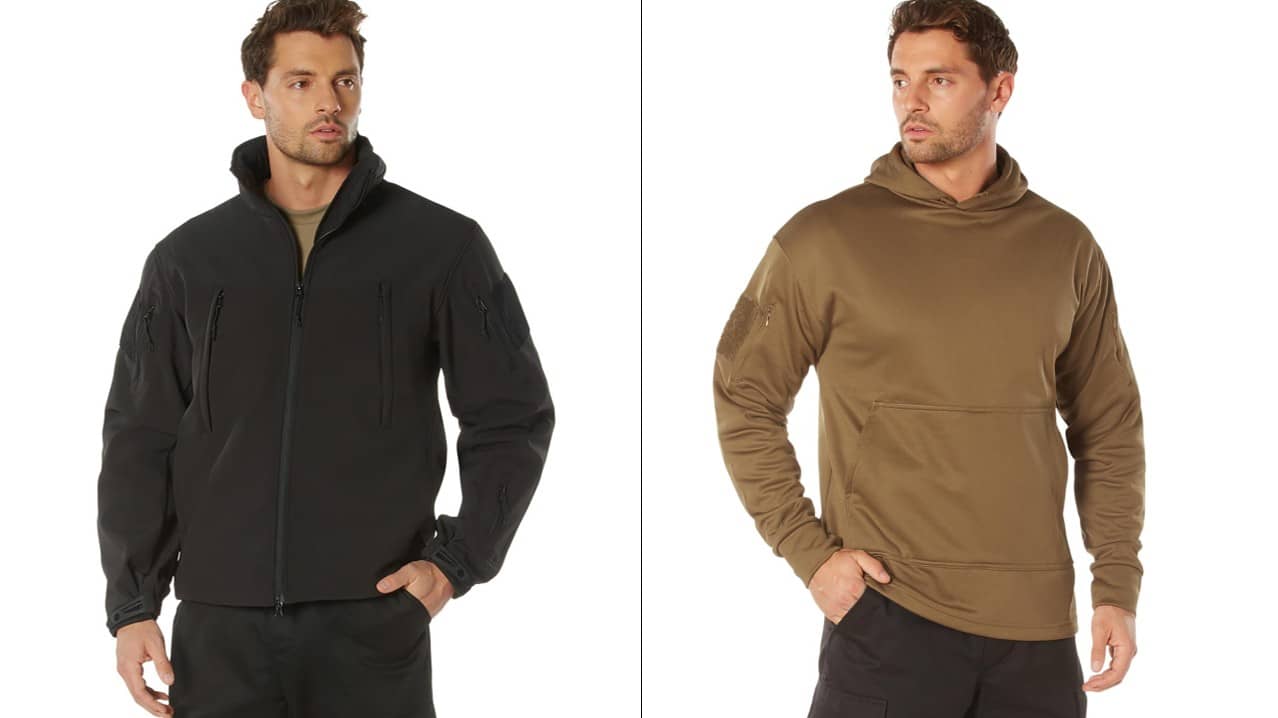
- CCW Jackets and Hoodies like the Rothco Concealed Carry Soft Shell Jacket or the Rothco Concealed Carry Hoodie
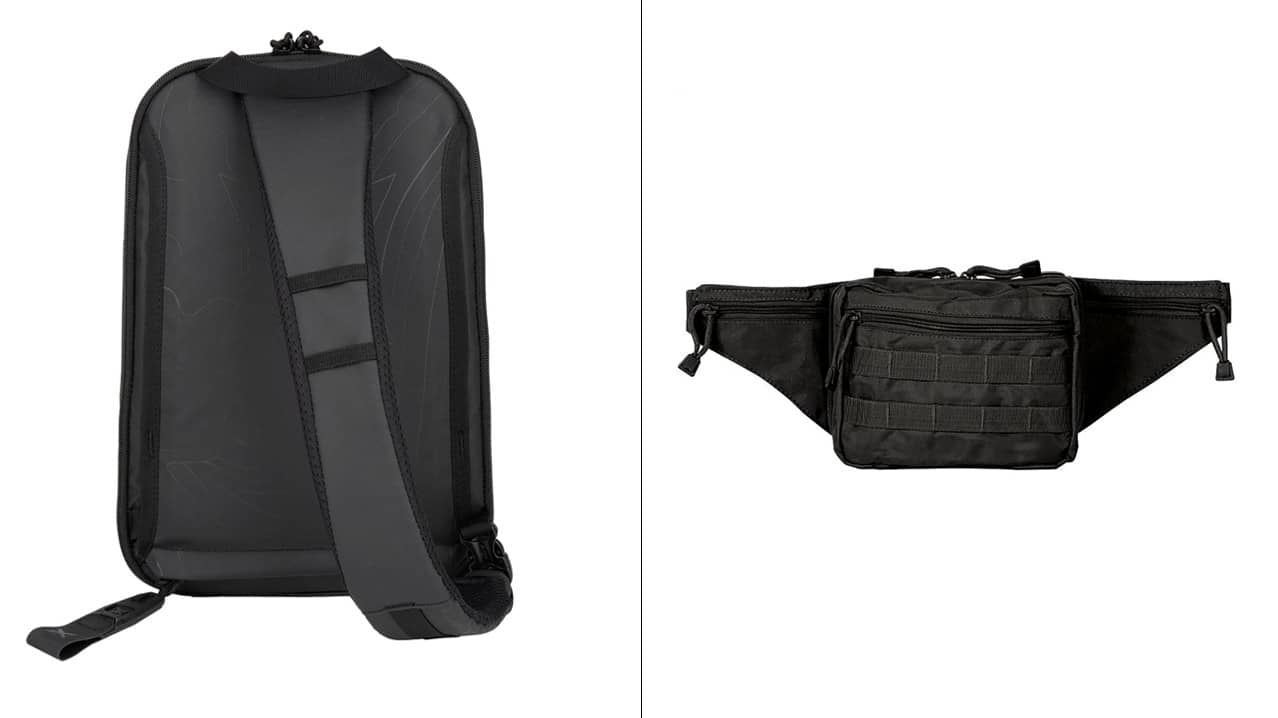
- Concealed Carry Bags and Backpacks like the Vertx Urban Ghost 10L Sling Bag or the VooDoo Tactical Hide-A-Weapon Fanny Pack
Whether you're engaging with youth, responding to a call, or walking your beat, community policing is about more than policies, it’s about people. And the impact you make today builds the trust that carries into tomorrow.
Related Posts


Disclaimer: The information in this blog post is for general informational purposes only and should not be taken as legal, regulatory, safety, or professional advice. Galls, LLC and its affiliates (collectively, the “Company”) distribute public safety and law enforcement products but do not manufacture the items discussed. All product details are based on manufacturer-provided information and have not been independently verified by Galls. We make no warranties regarding the accuracy or completeness of such information. Readers should consult the respective manufacturer or regulatory authority for the latest details.
For more detailed information, visit our Disclaimer Page.
 Item Added to Cart!
